AI in Advertising: Enhancing Creativity or Fostering Brand Homogenisation?
Artificial intelligence is reshaping many industries, and advertising is no exception. As AI tools become more accessible, brands face a critical question: does AI in advertising spark fresh creativity, or does it push brands toward sameness? This post explores how automation influences originality across the advertising landscape, weighing the benefits and risks of AI driven campaigns.
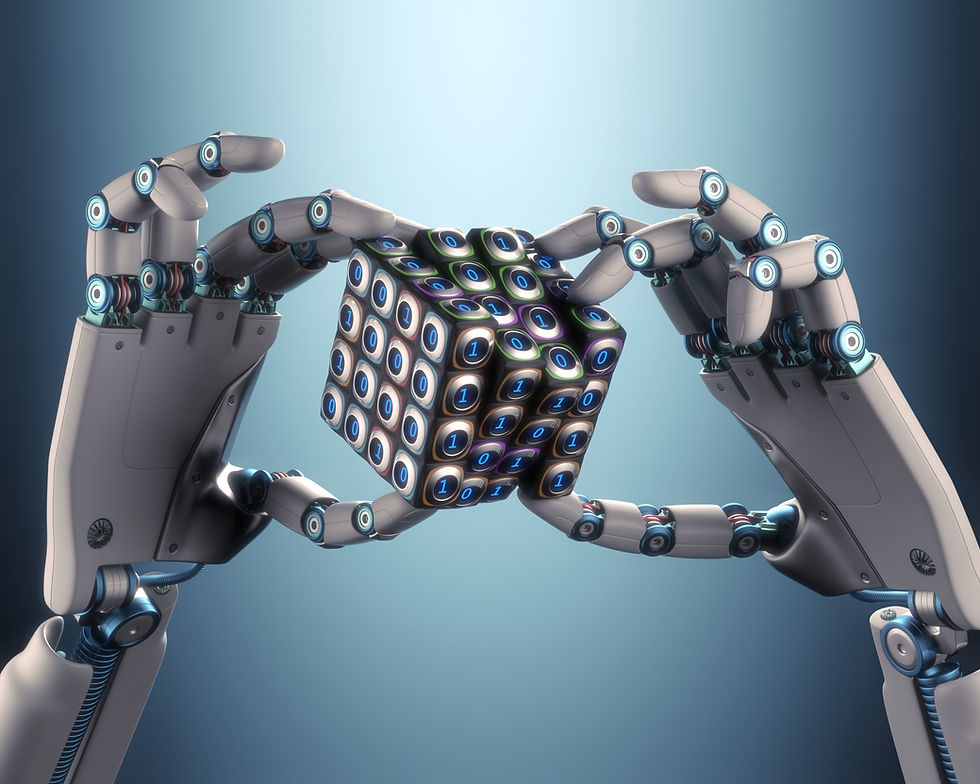
How AI is Changing the Creative Process
AI tools can analyse vast amounts of data quickly, helping marketers understand audience preferences and predict trends. This capability allows brands to tailor messages more precisely than ever before. For example, AI powered platforms can generate multiple ad variations in minutes, testing which visuals or copy perform best with different segments.
This speed and scale can free creative teams from repetitive tasks, letting them focus on big ideas. Some agencies use AI to brainstorm concepts or suggest unexpected combinations of themes and styles. This collaboration between human creativity and machine efficiency has led to innovative campaigns that might not have emerged otherwise.
Examples of AI Boosting Creativity
Nike’s personalised ads use AI to create unique visuals based on user data, making each ad feel custom made.
Coca Cola’s AI driven content experiments with new slogans and imagery, refreshing the brand’s appeal without losing its core identity.
Spotify’s AI curated playlists inspire music related ads that resonate deeply with listeners’ moods and preferences.
These examples show AI can enhance creativity by offering new tools and insights. But there is a flip side.
The Risk of Brand Homogenisation
When many brands rely on similar AI tools, their outputs can start to look alike. AI models often learn from the same datasets, which means they may reproduce common patterns and clichés. This can lead to ads that feel generic or formulaic, diluting a brand’s unique voice.
For instance, AI generated copy might favor safe, widely accepted phrases rather than bold or unusual language. Visuals created by AI might lean on popular styles, reducing diversity in design. Over time, this can make it harder for brands to stand out.
Signs of Homogenisation
Ads across different brands using similar color schemes and layouts.
Repetitive taglines that lack distinct personality.
Campaigns that avoid risk, sticking to proven formulas suggested by AI analytics.
This trend raises concerns about whether AI in advertising ultimately limits originality instead of expanding it.

Balancing Automation and Authenticity
The key to avoiding homogenization lies in how brands use AI. Rather than letting AI dictate every creative decision, companies should treat it as a tool to support human judgment. Here are some strategies:
Use AI for data and testing, not final creative choices. Let human teams interpret AI insights and add emotional depth.
Encourage experimentation. Use AI to explore unusual ideas that humans might overlook.
Maintain brand guidelines firmly. Ensure AI outputs align with a brand’s unique tone and values.
Invest in diverse data sources. Broader training data can help AI generate more varied and original content.
By combining AI’s strengths with human creativity, brands can create campaigns that feel fresh and authentic.
The Future of AI in Advertising
AI will continue to evolve, offering more sophisticated tools for creativity. Advances in generative models, natural language processing, and image synthesis promise exciting possibilities. Brands that master the balance between automation and originality will gain a competitive edge.
At the same time, the industry must watch for signs of over reliance on AI generated content. Maintaining diversity in creative approaches and valuing human insight will be essential to preserving brand identity.

AI in advertising offers powerful ways to enhance creativity through data driven insights and rapid content generation. Yet, it also risks making brands look alike if used without care. The future belongs to those who use AI as a partner, not a replacement, for human creativity. Brands that embrace this balance will craft campaigns that stand out and connect deeply with audiences.


Comments